
For many families, the hardest part of mobility challenges isn’t physical. It’s emotional.
A parent who raised children, drove everywhere, and handled life independently suddenly needs help walking long distances. Even when pain, fatigue, or fall risk is obvious, the reaction is often the same:
“I’m fine.”
“I don’t need that.”
“Those are for old people.”
The resistance isn’t stubbornness.
It’s fear of losing identity.
Understanding changes how you approach the conversation.
Why Parents Resist Mobility Help
Most seniors don’t see a scooter, walker, or cane as a tool.
They see it as a label.
Mobility assistance often feels like:
Losing freedom
Admitting decline
Becoming a burden
Being seen differently in public
The beginning of “giving up”
So they compensate instead.
Walking more slowly.
Sitting out activities.
They shorten outings.
And, stop going places altogether.
The family notices exhaustion.
The parent insists nothing is wrong.
The Real Risk Isn’t the Device but the Withdrawal
When walking becomes difficult, people rarely say it.
They quietly stop participating.
You may notice:
Leaving events early
Avoiding invitations
Sitting while others explore
Declining trips they once enjoyed
Increased isolation
Mobility limitations don’t just shrink movement, they shrink life.
The goal of mobility assistance isn’t replacing walking.
It’s preventing withdrawal.
The Conversation Mistake Most Families Make
The common approach:
“You need a scooter.”
That feels like a verdict.
Instead, the discussion should center on experiences, not limitations.
Try:
“I want you to enjoy the whole day with us.”
“I noticed you looked exhausted last time.”
“I don’t want you to miss out on anything.”
Focus on what they gain, not what they’ve lost.
Reframing Mobility Assistance: It’s Not About Ability
Many adults think mobility aids are only for people who cannot walk.
In reality, most people who use a mobility scooter can walk — just not comfortably for hours.
Think of it like glasses.
You can technically function without them.
But everything becomes easier and less stressful with them.
Mobility assistance is energy conservation, not surrender.
Start With Temporary Use
Permanent change feels overwhelming.
Temporary use feels practical.
Instead of presenting it as a lifestyle change, present it as a situational tool:
Large events
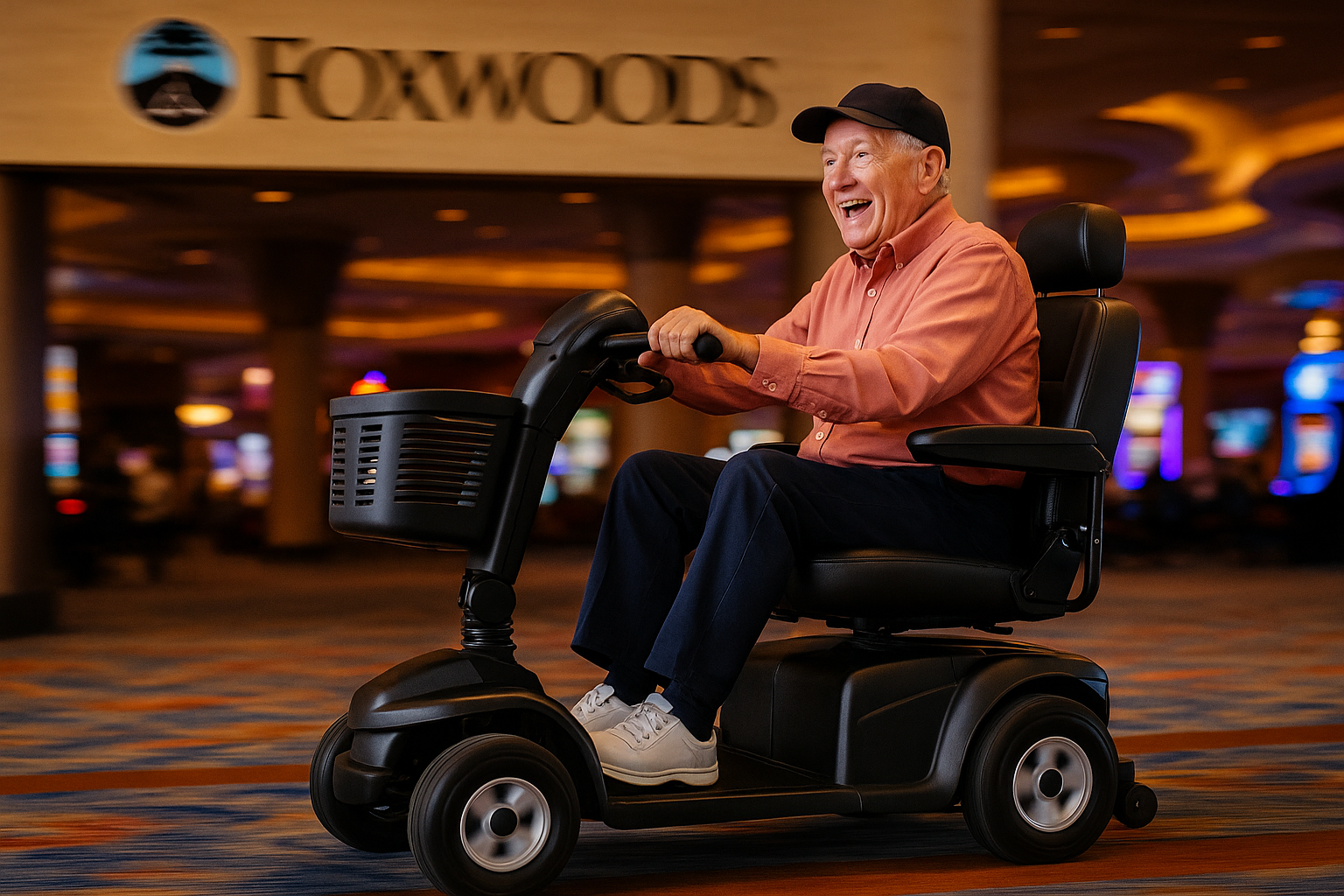
Casinos
Aquariums
Fairs
Travel days
Recovery after surgery
Flare-ups of arthritis or back pain
When the device solves a specific problem, resistance drops dramatically.
Let Experience Change Their Mind
Debating rarely works.
Experience does.
The turning point for many families happens after one outing where the parent:
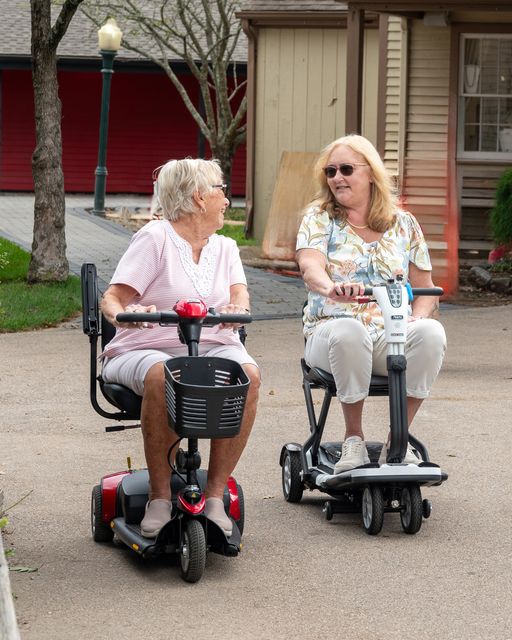
Keeps up with everyone
Doesn’t feel exhausted
Stays longer
Enjoys themselves again
Confidence replaces embarrassment quickly when comfort returns.
Address the Biggest Fear: Being Seen
A common concern is public attention.
In practice, the opposite usually happens.
Instead of struggling, stopping frequently, or needing assistance from family, mobility devices often make outings smoother and more discreet.
People notice discomfort far more than they notice a scooter.
How to Introduce the Idea Gently
Use these steps:
1. Start with a shared goal
“I want the day to be enjoyable for you.”
2. Suggest a trial, not a decision
“Let’s just try it this once.”
3. Choose the right setting
Pick a large venue where walking distance is obvious.
4. Remove pressure
Make it optional and low commitment.
5. Let results speak
After a successful outing, opinions change naturally.
What Usually Happens After the First Time Using a Mobility Scooter
Families often report:
Longer visits
More conversation
Less frustration
Renewed interest in outings
Improved confidence
The device disappears into the background, and the experience becomes the focus again.
Independence Isn’t About Walking. It’s About Participation
Mobility assistance doesn’t take independence away.
It restores choice:
Choosing to go
Choosing to stay longer
Choosing to enjoy the full experience
Avoiding assistance often creates dependence on others.
Using it often reduces it.
Frequently Asked Questions
Does using a scooter weaken muscles?
No. Most people already limit activity due to fatigue or pain. Conserving energy often allows more overall participation.
Is this only for permanent disability?
No. Many people use mobility assistance temporarily during recovery, flare-ups, or demanding outings.
Will it make them rely on it?
People typically use it only where helpful. Independence actually increases because they stop avoiding activities.
What if they feel embarrassed?
Embarrassment usually fades after the first successful outing. Comfort quickly outweighs concern.
The Real Goal
The purpose isn’t mobility equipment.
It’s preserving shared experiences:
- Family outings
- Celebrations
- Trips
- Memories
When walking distances becomes the deciding factor in whether someone participates, assistance becomes empowerment.
Sometimes, the most supportive thing you can do for a parent is not encouraging them to push through pain, but giving them permission to enjoy the day comfortably.
Scooter A Long delivers mobility scooters to destinations across Eastern Connecticut, so families can focus on time together rather than distance walked.